
Obesity and Overweight is KILLING you University of California-Davis
The University of California-Davis is facing a growing problem of obesity and overweight among its students. One reason for this epidemic is the availability of unhealthy food options on campus. Many students choose to eat fast food and sugary snacks, which can contribute to weight gain. In fact, a study published in the Journal of American College Health found that 67% of college students do not meet the recommended daily intake of fruits and vegetables, leading to poor nutrition and weight gain.
Another reason for the obesity epidemic at UC Davis is a lack of physical activity among students. With busy schedules and academic pressures, many students struggle to find time to exercise. A study published in the Journal of Physical Activity and Health found that only 23% of college students meet the recommended guidelines for physical activity. This lack of exercise can lead to weight gain and other health problems. To combat this issue, the university could offer more healthy food options on campus and promote physical activity through programs and events. By addressing these factors, UC Davis can help students lead healthier lives and combat the obesity epidemic on campus.
University of California-Davis weight loss REVOLUTION with Wegovy Ozempic, Zepbound and Mounjaro

Wegovy Ozempic, Zepbound, Mounjaro, Semaglutide, Tirzepatide, GLP1 and GIP: What is the difference?
-
Increased energy levels
-
Improved cardiovascular health
-
Enhanced self-confidence
-
Better sleep quality
-
Reduced joint pain
-
Elevated mood stability
-
Lower blood pressure
-
Boosted immune system
-
Enhanced physical endurance
-
Improved mental clarity
-
Reduced diabetes risk
-
Greater mobility flexibility
The Game Changer
FDA-approved Wegovy®️, Ozempic®️, Mounjaro®️, Zepbound®️, Semaglutide, Tirzepatide, GLP1 and GIP weight loss medicine
It makes a BIG difference!
Watch the 60 Minutes CBS Report on FDA Approved Weight Loss Medicine
What Happens to My Body When I Loose Weight?
Comparison of Weight Loss Medications Offered by LeadWest Medical
| Medication | Weight Loss Potential | How It Works |
|---|---|---|
| Ozempic | Up to 15% | Regulates blood sugar and appetite |
| Wegovy | Up to 20% | Targets GLP-1 hormone for appetite suppression |
| Mounjaro | Up to 27% | Combines GLP-1 and GIP hormone action |
| Zepbound | Varies | Latest FDA-approved treatment for weight loss |
Why Telemedicine is Safe and Better Solution for Weight Loss in University of California-Davis
Ozempic, Wegovy, Semaglutide, Zepbound, Mounjaro, Tirzepatide. What Are The RESULTS University of California-Davis
Our Process
Insurance Process
Select your Brand Medication
and determine insurance coverage
Up to 28 days to process,
supply or coverage may be limited
Pay Out-Of Pocket
Select your GLP-1 or GIP and determine
eligibility with Out-of-Pocket Cost
Instant approval & no wait time
Access to all GLP-1 and GIP medications
Medication Options

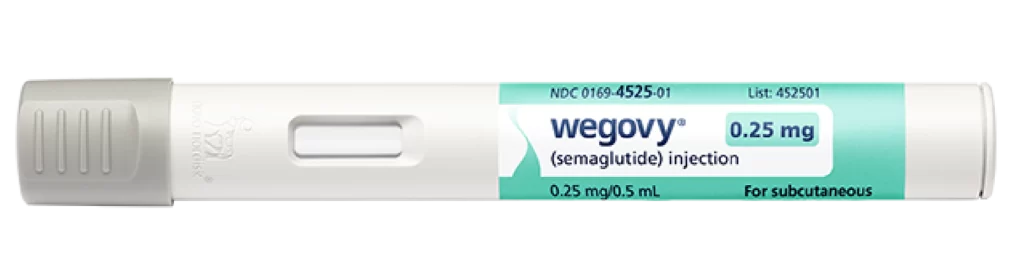
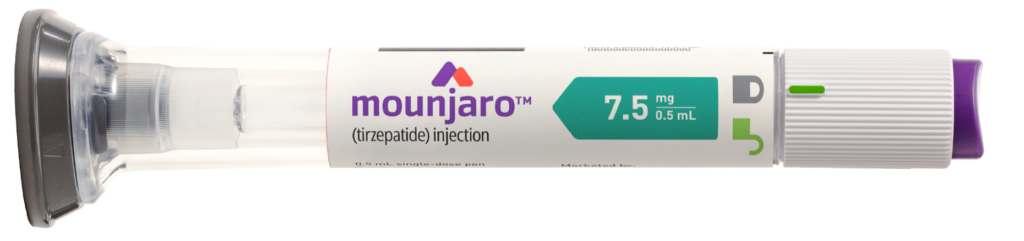
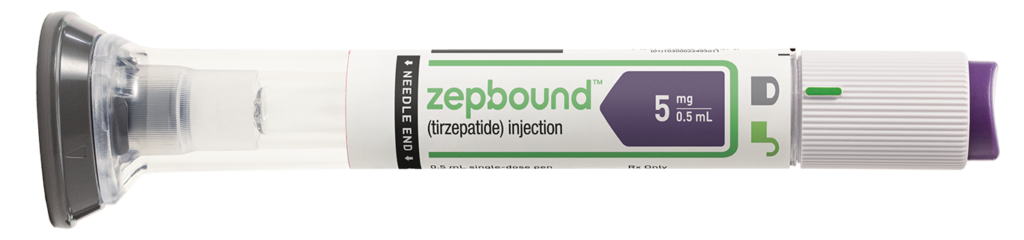

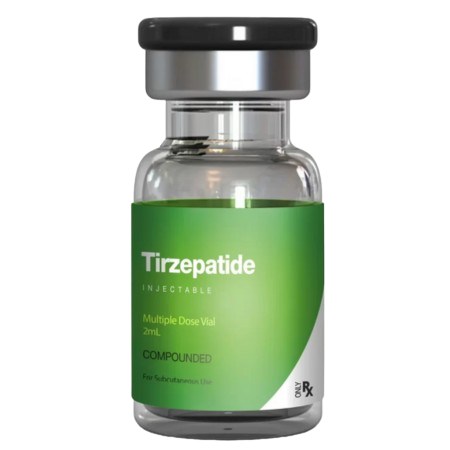
Why Are You Still Obese and Can Not Lose Weight in University of California-Davis
Common obesity related diseases
Obesity is linked to several serious health conditions, including heart disease, type 2 diabetes, and certain cancers. These diseases can lead to decreased quality of life and increased mortality.
Obesity not only strains vital organs but also impairs mobility and energy levels, making daily activities more challenging. Effective weight management is crucial for reducing the risk of these health complications.
-
Heart disease
-
Type 2 diabetes
-
Stroke
-
High blood pressure
-
Sleep apnea
-
Fatty liver disease
-
Osteoarthritis
-
Gallbladder disease
-
Certain cancers
-
Kidney disease
-
Gastroesophageal reflux disease
-
Mental health disorders
University of California-Davis Residents Get Started Now Losing Weight with FDA Approved GLP1 and GIP Medicine
Testimonials
What Clients Are Saying
See For Yourself
Weight Loss FAQs
Semaglutide is a prescription medication used to treat type 2 diabetes and obesity. It is a glucagon-like peptide-1 (GLP-1) receptor agonist, which means it mimics the action of the naturally occurring hormone GLP-1 in the body. Tirzepatide mimics the GIP pathway in addition to the GLP-1 pathway.
These medications help regulate blood sugar levels. They also slow down the rate at which food moves through the stomach, which can reduce appetite and promote weight loss.
They are typically administered as a once-weekly injection. The appropriate dose will depend on the patient’s individual needs.
They are not a substitute for a healthy diet and exercise, and should be used in conjunction with these lifestyle changes to achieve optimal results. As with any medication, it is important to talk to your healthcare provider about the potential benefits and risks of these medications and whether they are the right choice for you.
These medications are used to treat type 2 diabetes and obesity.
Type 2 diabetes: They are used as an adjunct to diet and exercise to improve glycemic control in adults with type 2 diabetes. They may be used alone or in combination with other diabetes medications.
Obesity: They are used as an adjunct to a reduced-calorie diet and increased physical activity to help promote weight loss in adults with a body mass index (BMI) of 30 or higher, or in adults with a BMI of 27 or higher who have at least one weight-related comorbidity, such as high blood pressure, type 2 diabetes, or high cholesterol.
Semaglutide is not recommended for use in patients with type 1 diabetes or diabetic ketoacidosis. It is also not recommended for use in patients with a personal or family history of medullary thyroid carcinoma or multiple endocrine neoplasia syndrome type 2, as semaglutide may increase the risk of these conditions.
As with any medication, they should only be prescribed by a healthcare provider who has evaluated the patient’s medical history, current health status, and individual needs and goals. Patients should follow their healthcare provider’s instructions for use and attend regular follow-up appointments to monitor progress and assess the need for continued treatment.
These medications can cause side effects in some patients. Some of the commonly reported side effects include:
- Nausea
- Diarrhea
- Vomiting
- Constipation
- Abdominal pain
- Loss of appetite
- Headache
- Fatigue
- Dizziness
These side effects are usually mild to moderate in intensity and tend to improve over time as the body adjusts to the medication. However, if these side effects persist or become severe, patients should contact their healthcare provider for further evaluation and guidance.
In rare cases, they can cause more serious side effects such as:
- Pancreatitis (inflammation of the pancreas)
- Hypoglycemia (low blood sugar)
- Kidney problems
- Gallbladder problems
- Allergic reactions
Patients should seek immediate medical attention if they experience symptoms such as severe abdominal pain, persistent nausea or vomiting, rapid heartbeat, difficulty breathing, or swelling of the face, lips, tongue, or throat.
Up to 20% with Semaglutide and up to 27% with Tirzepatid
Semaglutide and Tirzepatide are currently approved by the FDA for long-term use in the treatment of obesity.
Patients who stop the medication gain back on average two thirds of the weight they had lost. It is recommended that patients remain on a maintenance dose to curb cravings and maintain the new weight.
If your prior authorization is declined, your insurance will not cover the cost of the prescribed medication. In this instance, you have the option to self-fund your medication via our partnered pharmacies.
If you wish to share lab results, images, or any other relevant documents with your physician, you need to log into your Charm Tracker portal. Once there, select ‘Documents’ from the options and upload your documents.
The cost details of all our plans are clearly exhibited on our website. The flat-fee displayed for each plan is the total amount you’ll be required to pay each month or contact us today.